








































Anchoring a Site in Counter-Strike 2: What it Means & How to Do it
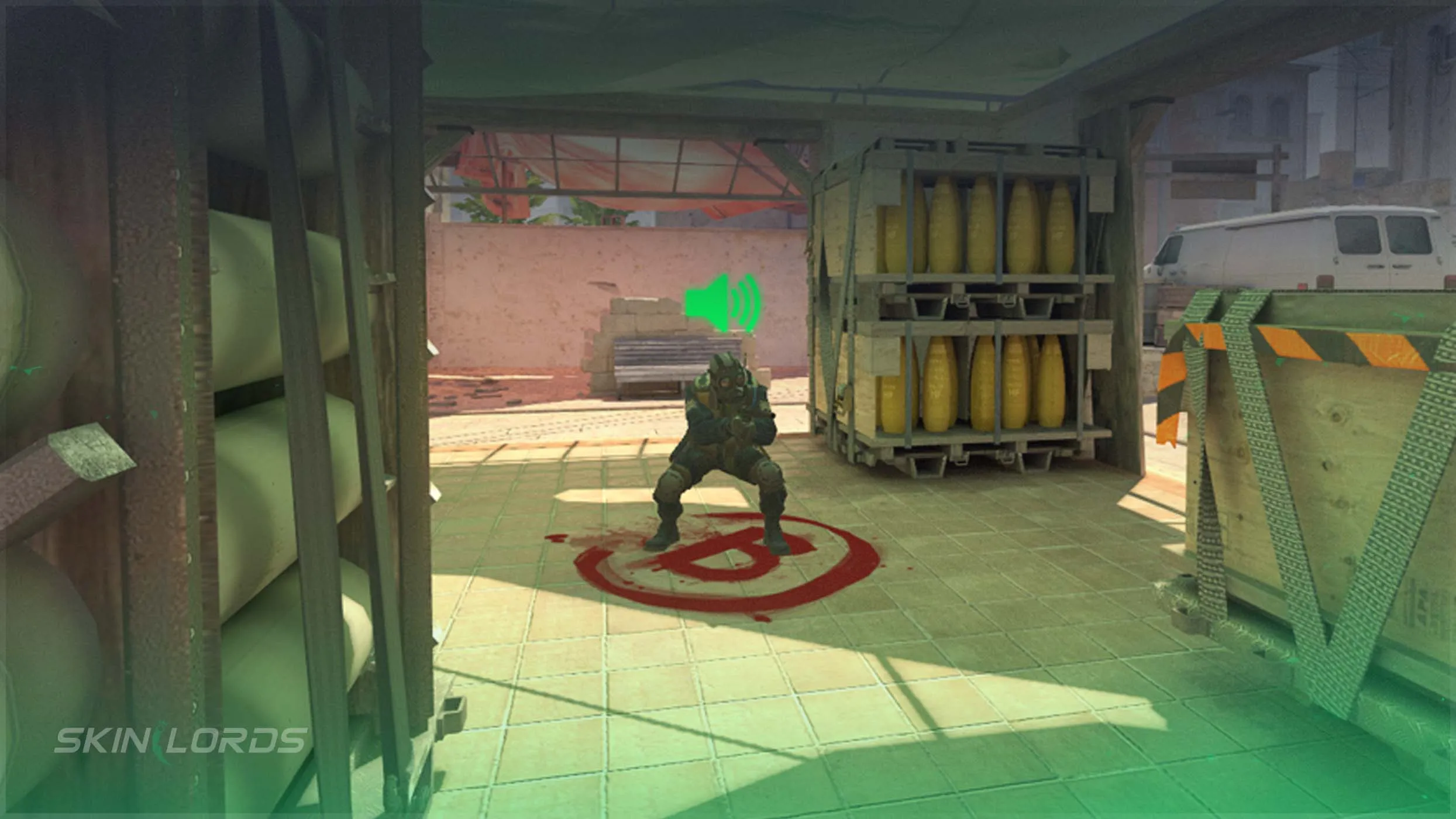
Being a CS2 anchor means that you have a designated spot on the map, either the A site or the B site. This is typically done by CT players who perform well in clutch scenarios and excel even when outnumbered.

Check out more CS2 settings and gameplay guides on our blog:
In online matchmaking, the site anchor might not be a common position you’ll see, especially given how quick the pace of play is. You’ll see more examples of an anchor in CS2 by watching professional players, as pretty much every single one of the best teams in the world has a good anchor designated.
CS2 Anchor Defined
The anchor in CS2 is usually the last person who will rotate towards the other site, if at all, on the CT side. They are expected to stay alive and delay enemy pushes towards the bomb site they’re holding just enough to let their teammates rotate towards their position.
How To Be A Good Anchor In CS2
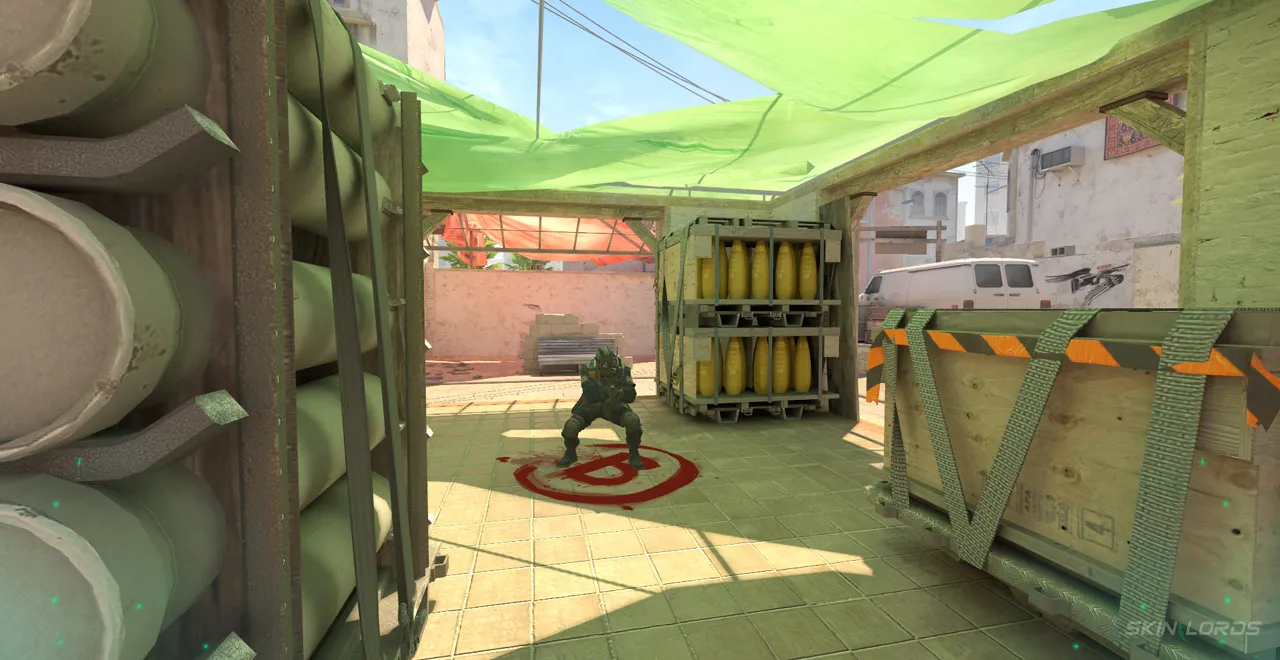
Being a CT anchor is more than just standing around in one spot and waiting for something to happen. It’s a vital part of the team’s success during a round since you’re expected to be able to defend whichever site you’re anchoring to a certain extent while your teammates run across the map.
The first key part of being an anchor is having strong map knowledge. No two bomb sites are ever the same, so use the angles to your advantage. Take your strengths and use them to buy time for your team to rotate, or even force the opposing squad to change course themselves.

Next would be keeping open communication with the rest of your team. Since they’re typically left alone on defense, information provided by the four other players will be the biggest thing they can contribute to you during a round.
Finally, having sound mechanics will go a long way when fighting opponents. It isn’t enough for an anchor to just be present in a site; the aim absolutely has to be there as well. Mechanics and fundamentals are what separate average anchors from actually good ones, and when the role calls for multiple 1vX scenarios during a match, you really have nothing else to rely on but your aim training.

Similar Articles
See all
CS2 Guides
Which CS2 Cases Have Bloodhound Gloves?
07.31.2026
0
32
CS2 Guides

Every CS2 Skin With A Blue Gem Pattern
07.31.2026
0
42
Related Casinos

 Stake
Stake
Leave a reply