






































How CS2 Terminals Work
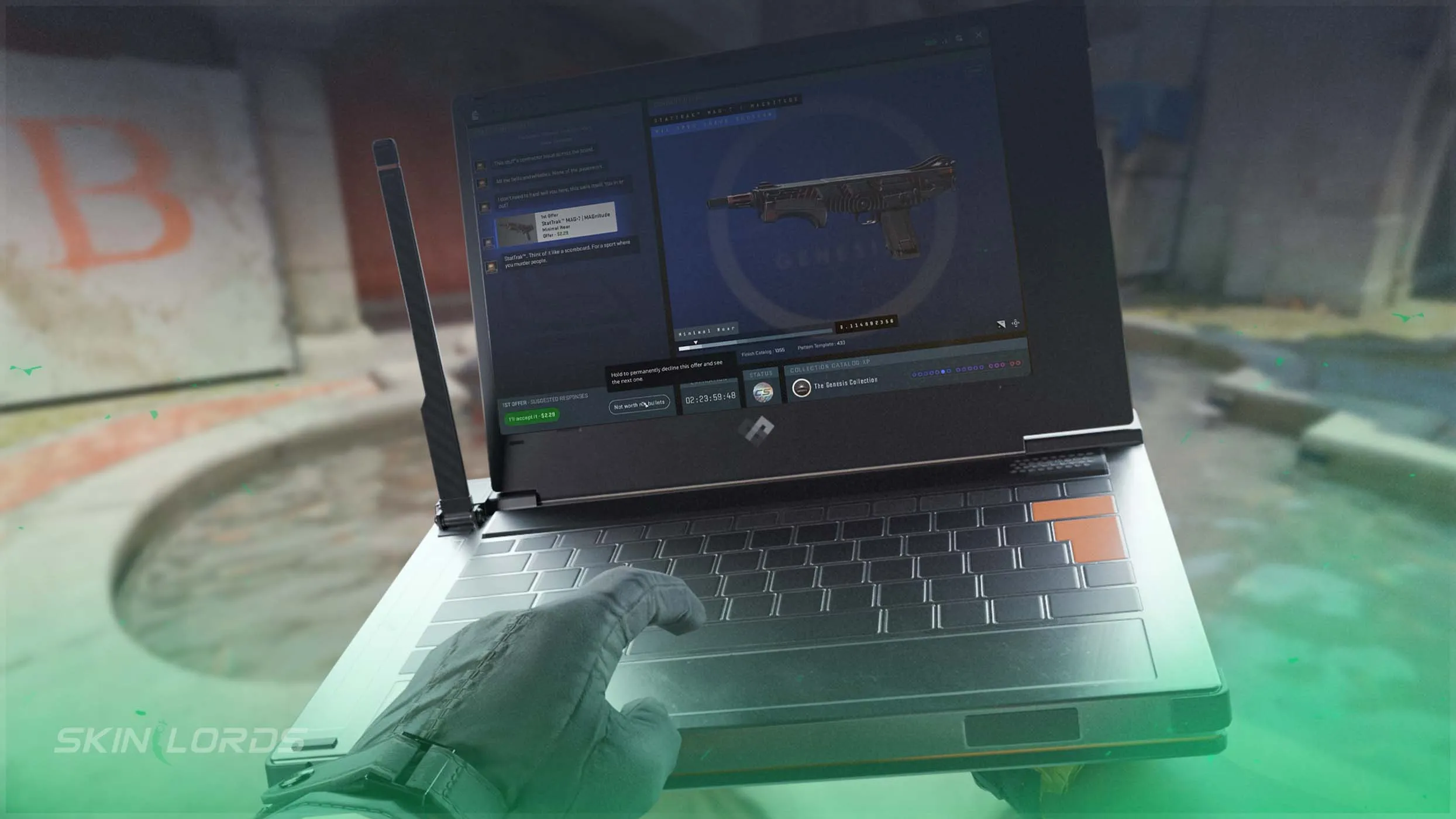
For the longest time, CS2 cases were the way to unlock new in-game cosmetics known as “skins” for all kinds of weapons. In an update Valve shipped out not too long ago, they introduced the Genesis Uplink Terminal — a brand new way to unlock skins in the game without having to rely too much on RNG.

For more CS2 skins content, check out our blog:
Naturally, the Genesis Terminal was the talk of the town for a while since it was completely different to how cases traditionally rewarded players with skins. So how exactly do they work?
The Counter-Strike 2 Uplink Terminal Combines RNG and Choice
The CS2 Terminal was first released alongside the new Genesis Collection, which meant only skins from that group could be obtained. Players obtain a Sealed Genesis Terminal through the weekly drop and are given random skins they can purchase.
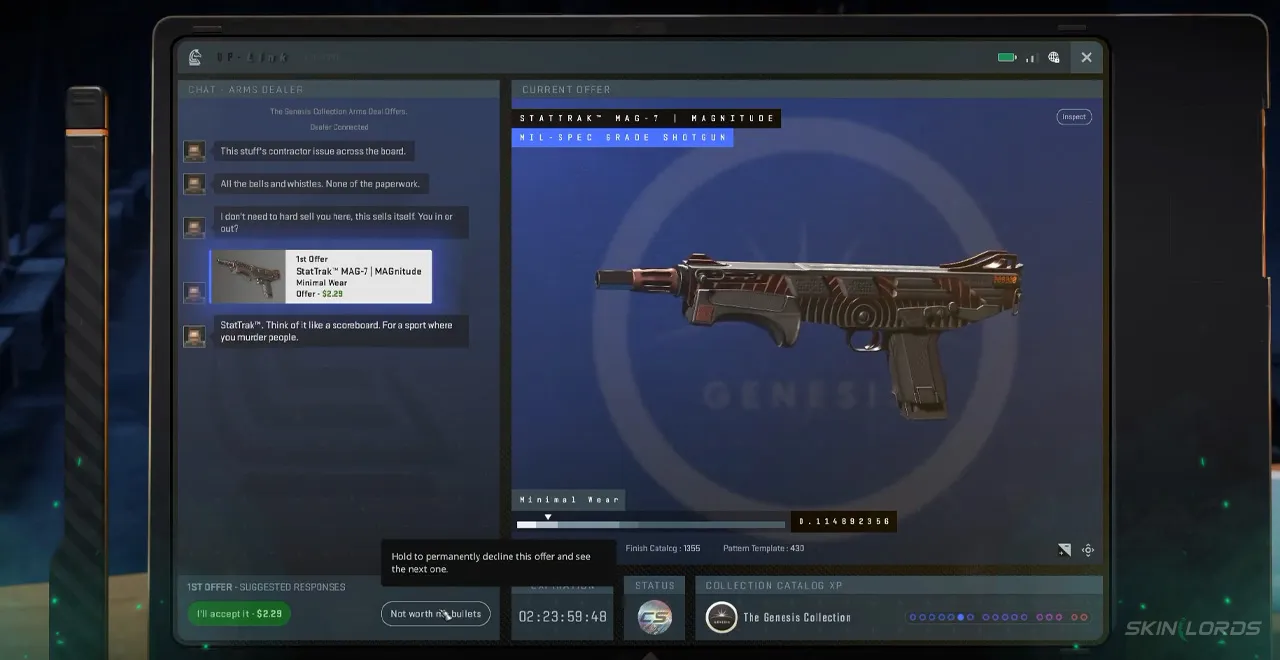
Unlike cases where new skins are obtained completely by random, and you only pay for the price of said case regardless of what item you get, the Uplink Terminal makes you pay depending on the skin you get.
You Get Five Choices Per CS2 Terminal
Using an Uplink Terminal doesn’t only give you one potential skin to obtain, but five. You can skip the Uplink Terminal’s offer if you don’t like the skin or price for a total of five times before it becomes used completely.
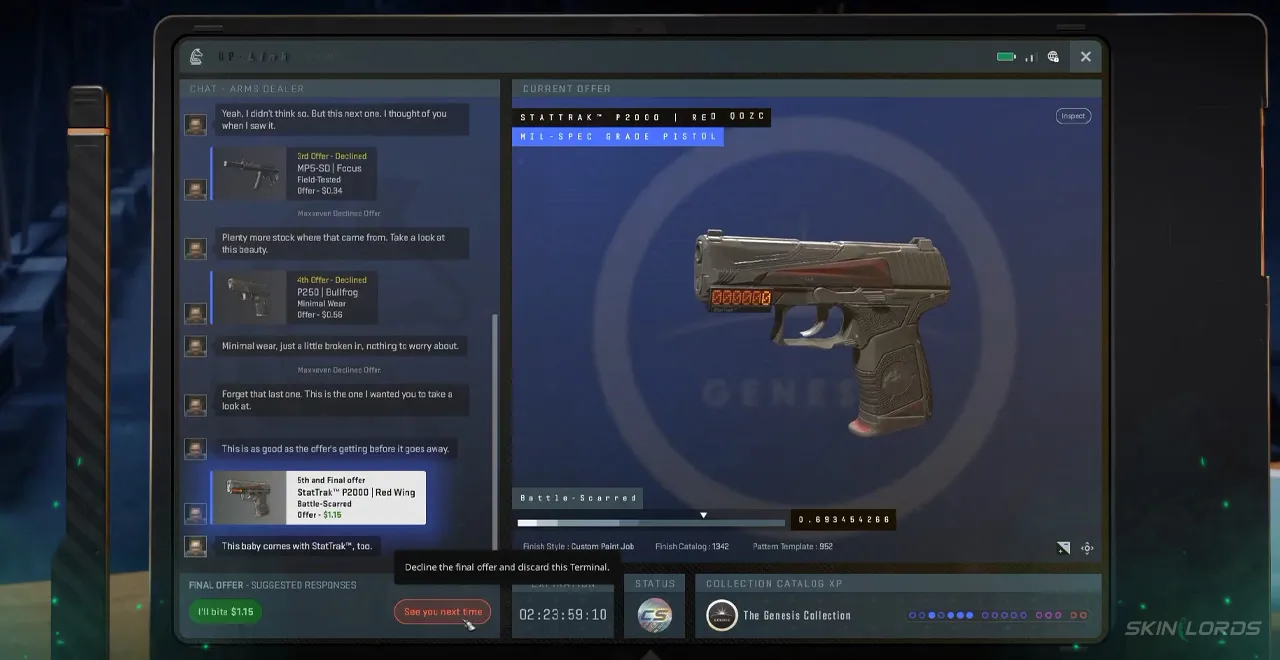
Skins that have been skipped cannot be returned to, and there’s also no way of knowing what comes next. That’s how the RNG factor is kept while also offering less risk since you decide whether or not you want to buy the skin they offer in the first place.
The Genesis Collection and Dead Hand Collection Have Terminals
Currently, only the Genesis Terminal and Dead Hand Terminal are available in the game. Older collections still make use of the traditional case system, but moving forward, expect to see more Uplink Terminals released.
It’s still a brand-new idea, and cases have definitely not been completely ruled out of the game yet, so the future of cosmetics in CS2 is still unsure. The Uplink Terminal does have both its fans and critics, so a fully permanent implementation is yet to be seen.

Similar Articles
See all
CS2 Guides
Which CS2 Cases Have Bloodhound Gloves?
07.31.2026
0
14
CS2 Guides

Every CS2 Skin With A Blue Gem Pattern
07.31.2026
0
20
Related Casinos

 Stake
Stake
Leave a reply