









































When Should You Rotate During a Round of Counter-Strike 2?
In CS2, rotating refers to the act of moving from one area of the map to another, usually as a response to the other team’s presence in that area. Not to be confused with the continuous spinning movement that some players used to do when AFK, rotations in Counter-Strike are important decisions made during competitive matches in order to match the opponents’ strategies.

Check out more CS2 gameplay and settings guides on our blog:
While it’s inevitable that everyone will rotate from their original spot at some point during a match, there is still the matter of timing that must be considered. Rotating too early or too late could prove to be harmful to the efforts of other players on your team and create an even bigger disadvantage.
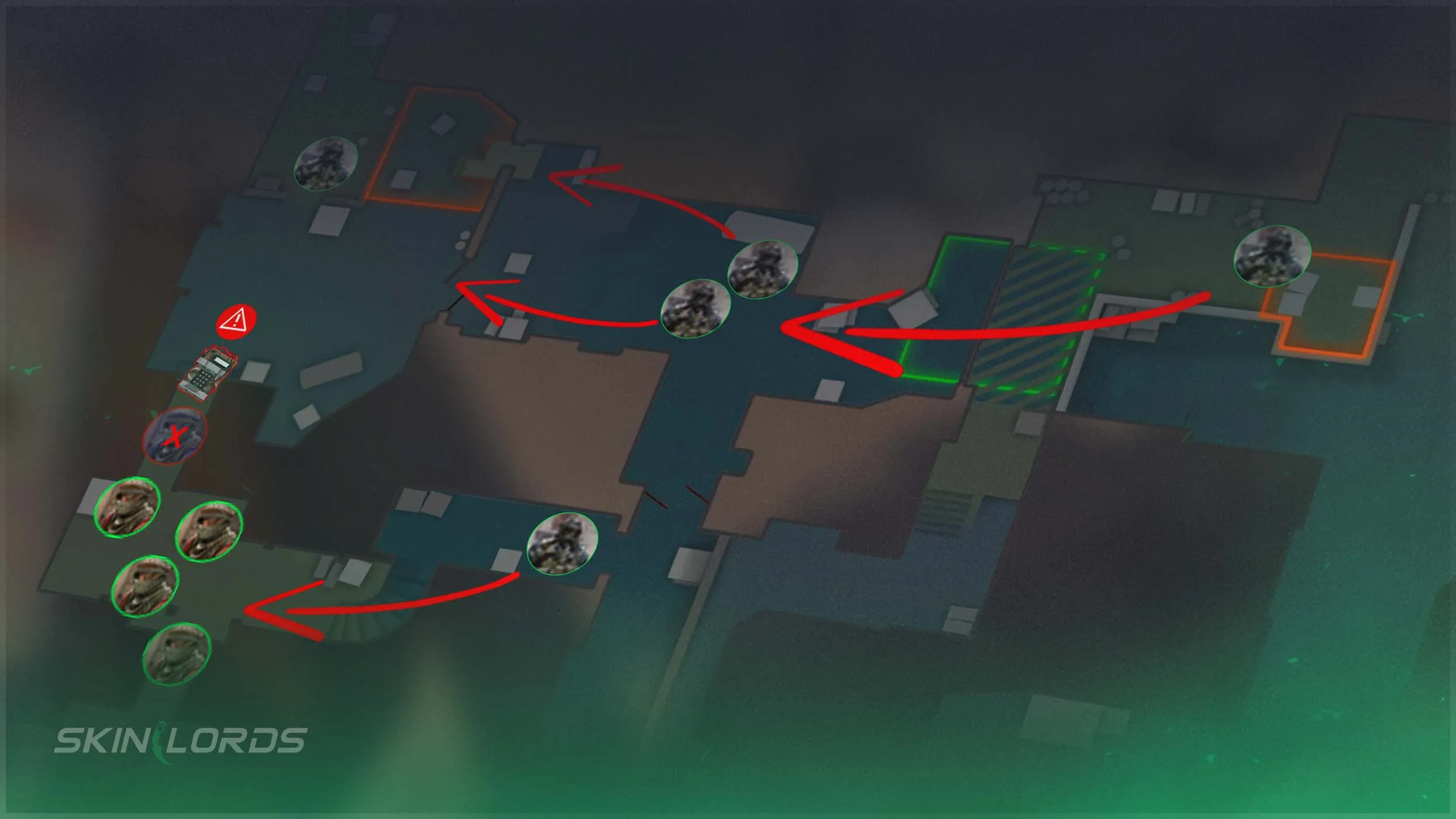
Rotate When the Bomb Is Shown
This is one of the scenarios where it’s relatively easy to determine whether or not to rotate. If the enemy team is shown on a part of the map, usually the other site, and the bomb is shown, then that’s most likely where the Ts have decided to attack for the round.
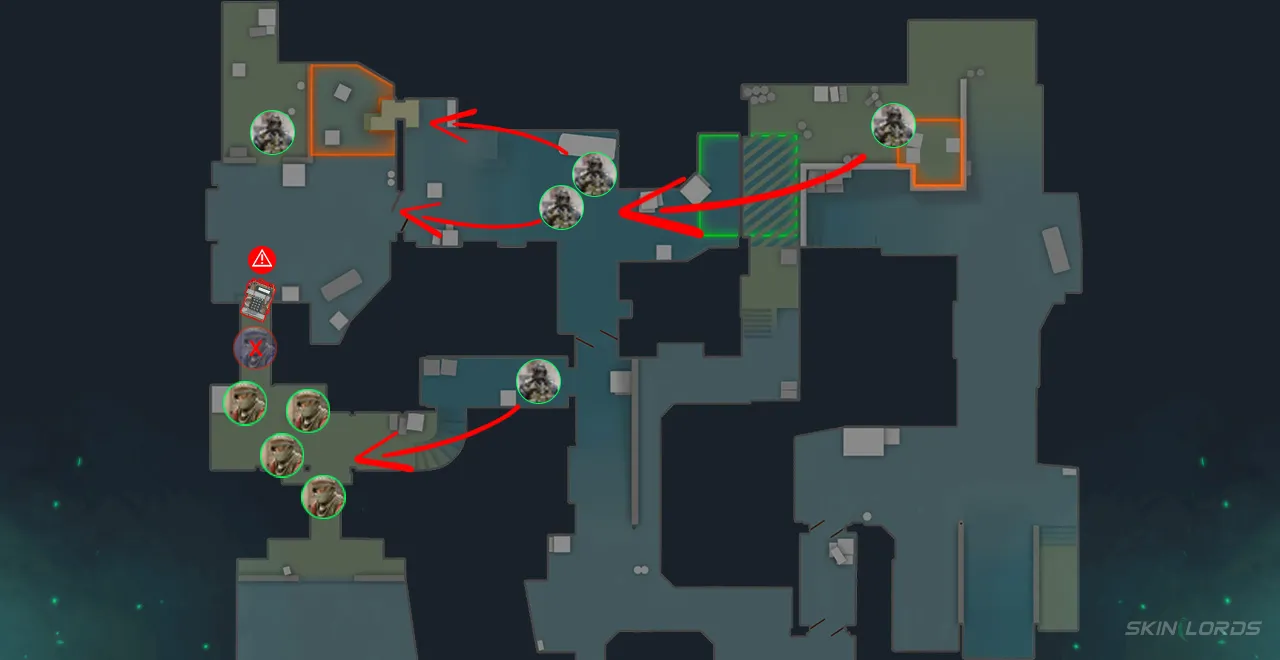
Get as many players as possible on that part of the map and help out the rest of your teammates to prevent a plant, or just eliminate all the enemies as fast as possible while denying their own possible rotation.
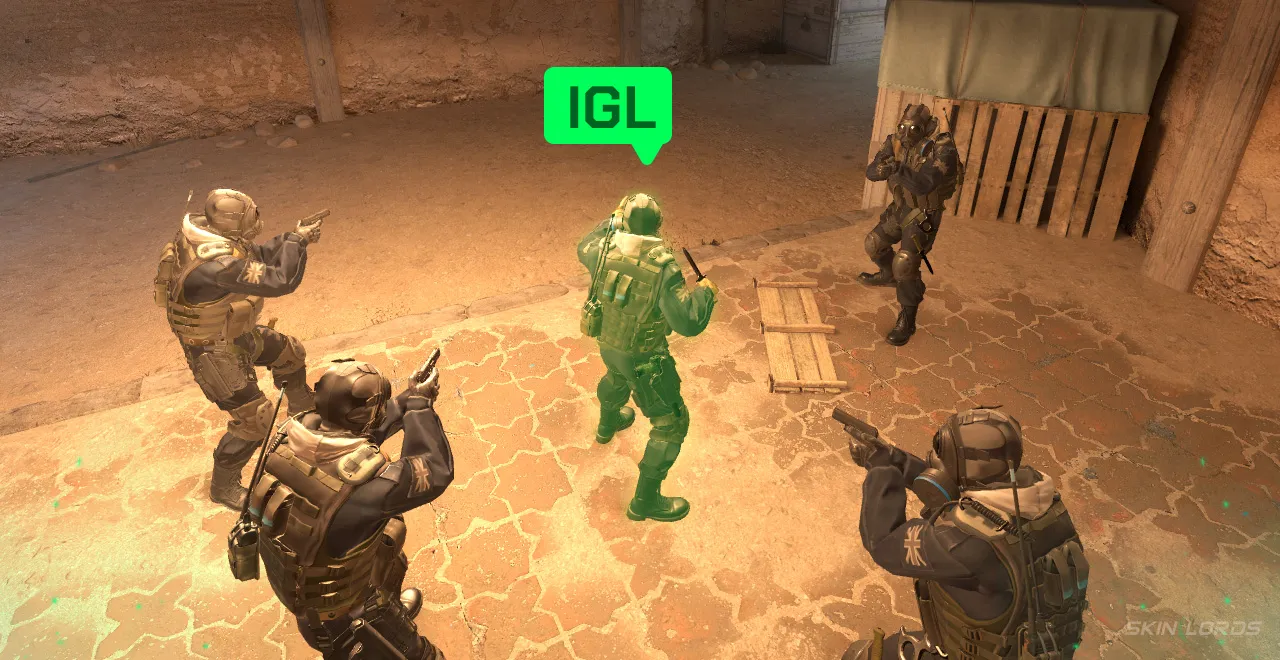
Rotate When the IGL Calls It
During games where you’re playing on a five-stack or someone in solo queue presents themselves as the in-game leader, they will usually be the ones to make calls on whether or not to rotate. If you’ve gained enough trust in your IGL’s calls throughout the game, then it’s best to follow their directions when they call for movement towards a different part of the map.
Rotate When the Patterns Are Broken
Gathering information in CS2 is done through a variety of ways, and identifying patterns is definitely one of them. Throughout the course of the game, the opposing players will start to show patterns such as how they approach a certain site, what utility they throw, and how their players are positioned in different scenarios.
When these patterns start to change, and the opponents begin to execute differently, that’s a sign to mix something up in how you and the rest of your teammates approach the game as well. What used to be a series of flashes thrown towards a site indicating a rush may now be used as a mere fake to confuse opponents, among other advanced strategies. Mastering the art of learning how the enemy players act and adding the information gained to the decision-making process for rotating could result in even more rounds won than before.

Similar Articles
See all
CS2 Guides
Which CS2 Cases Have Bloodhound Gloves?
07.31.2026
0
32
CS2 Guides

Every CS2 Skin With A Blue Gem Pattern
07.31.2026
0
42
Related Casinos

 Stake
Stake
Leave a reply