









































CS2 Sub-Tick System – How Does it Actually Work?
Counter-Strike 2 has introduced a multitude of new features and improvements to its predecessor, Counter-Strike Global Offensive. One of the most talked about features of Counter-Strike 2 is its new “Sub-tick System,” which has sparked a lot of interest as well as questions. Understandably, one of the most asked questions for CS2 is, “How does the CS2 sub-tick system actually work?” This article aims to answer that by exploring how it works, why it was introduced, and what it means for the future of competitive gaming and CS2.
Tick Rate Explained
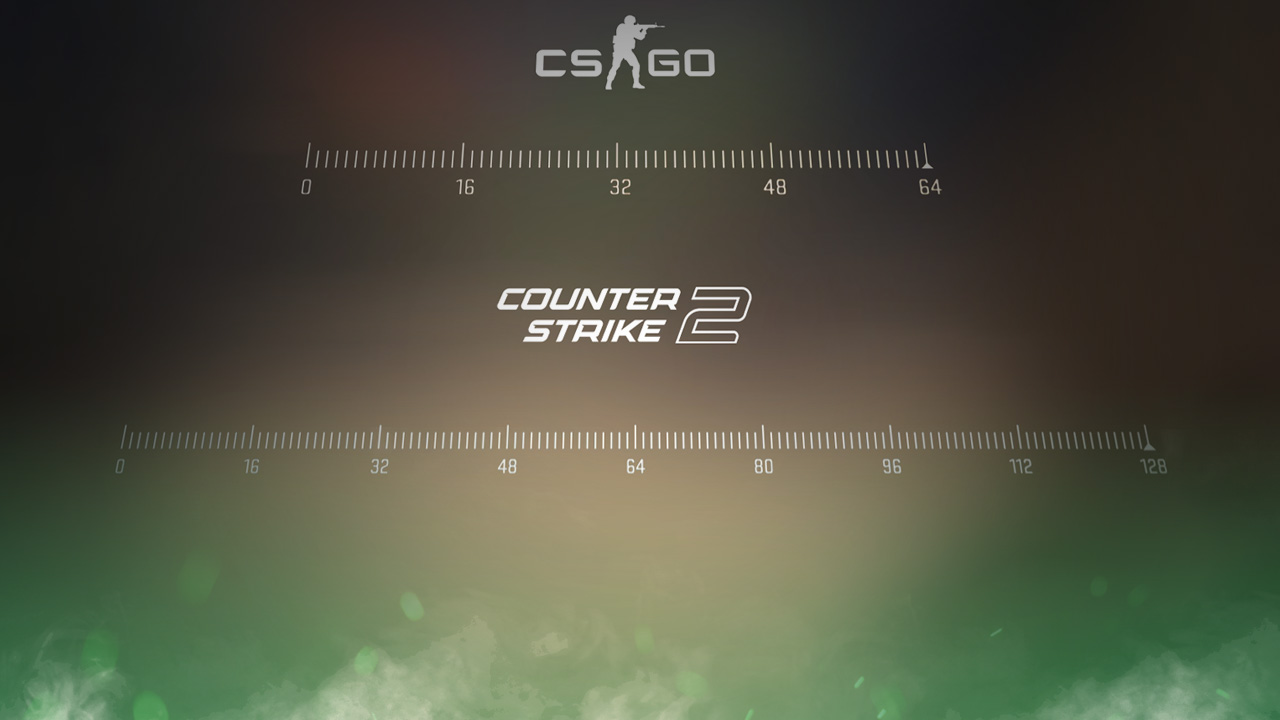
To understand why the sub-tick system was implemented in CS2, let’s first understand the concept of tick rates. Traditional tick rates in online games such as Counter-Strike Global Offensive refer to how often the game server updates the game world. For example, a 64-tick rate server updates 64 times per second, while a 128-tick rate server updates 128 times per second.
Why Tick Rates Matter
- Gameplay Responsiveness – A higher tick rate means more frequent game updates, correlating with more precise actions and gameplay responsiveness, leading to a better overall gaming experience. Tick rate determines everything from shooting, aiming, throwing grenades, and jumping.
- Competitive Integrity – In a game as competitive as CS2, the difference in even milli-seconds can make the difference between winning or losing an engagement or match. Therefore, outputs must be reflected in the exact moment inputs are entered.
Tick Rate in CS:GO
The tick rate in CS:GO was notoriously flamed as being extremely limiting to competitive gameplay, leading many experienced players to head to Faceit games, where the tick rate was 128, as opposed to the 64-tick system of Valve servers (different grenade lineups had to be used for the different tick rates!)
The Subtick System
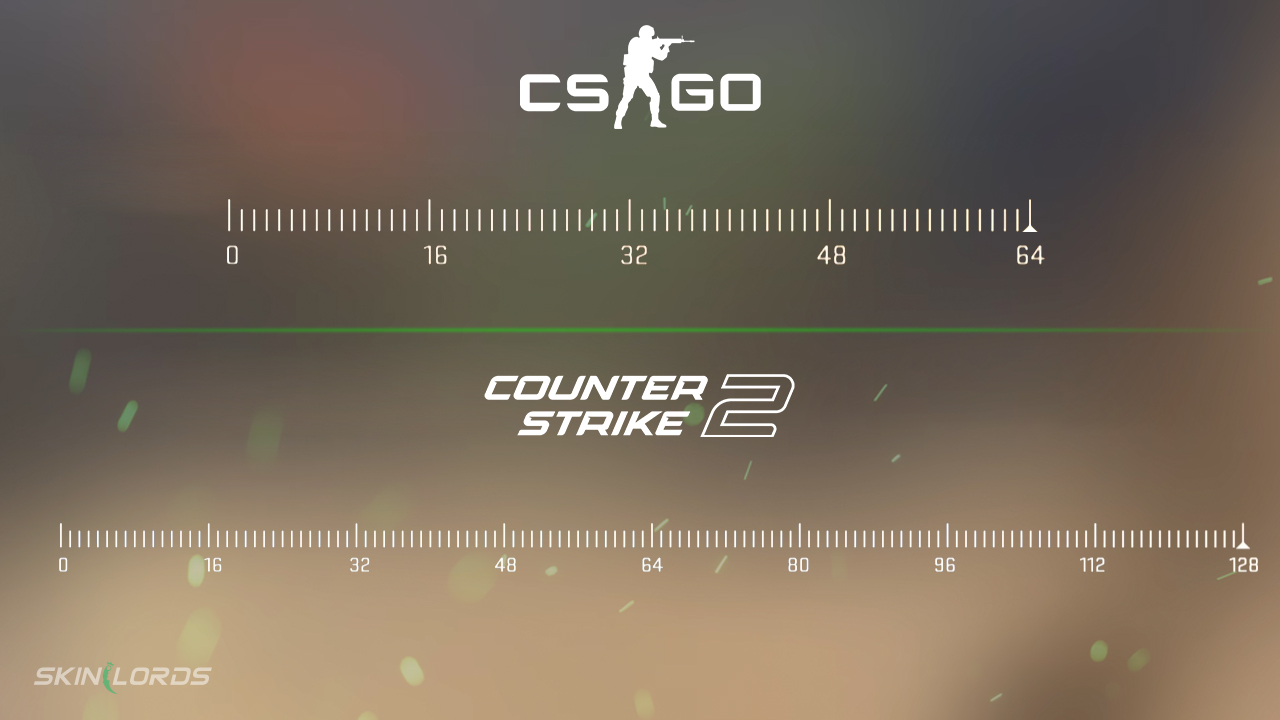
To address the limitations of traditional tick systems, as mentioned previously, Valve implemented the subtick system in CS2. The subtick system, as we’ll learn, makes sure that player actions are accurately reflected, regardless of when they occur relative to the server’s tick rate.
How Does the CS2 Subtick System Work?
Three main processes/features go into the CS2 subtick system: Input Time Stamping, Server Processing, and Gameplay. These systems work together to achieve increased accuracy/responsiveness, smoother gameplay, and more balanced competitive games.
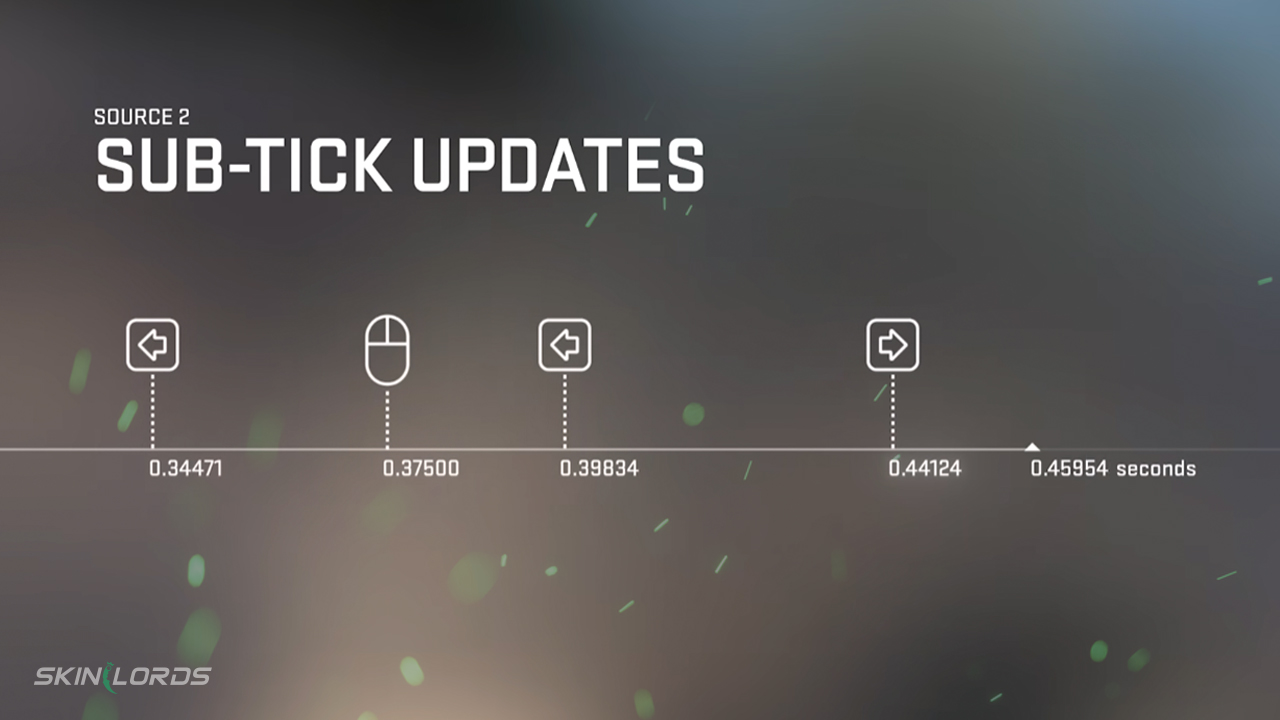
- Input Time Stamping – When a player performs an action, such as inputting a movement command, the exact time of that action is recorded down to the microsecond. The timestamp is then sent to the server along with the action (sometimes called sub-tick updates).
- Server Processing – Similar to traditional tick systems, the server will then calculate player actions. With the CS2 sub-tick system, the action is processed with the exact time of the player’s actions instead of waiting for the next tick. This is the main benefit of the subtick system, allowing a more responsive client-server response.
- Gameplay – The information is then returned to the client, where your actions will be reflected on your screen. This system reduces the discrepancies between what a player inputs and what the game world reflects.
Problems with CS2’s Sub-Tick System
Though the CS2 Sub-Tick system aims to improve the overall player experience, it has some drawbacks reported by the CS2 community. Some reported issues included increased computer load, lag issues, unresponsiveness, frame stuttering, and funky moments like getting killed behind walls. It’s hard to tell whether these reported problems are specifically due to the sub-tick system or Valve’s servers as a whole. They will undoubtedly continue working on this technology beyond CS2’s initial release.
Wrapping Up!
Counter-Strike 2’s new sub-tick system could profoundly impact the future of online games, especially in the Esports scene. Games that rely as heavily on precision and timing as the Counter-Strike genre can’t afford to have old tick rate systems that could compromise the integrity of competitive gaming. Almost reaching CS2’s one-year anniversary, the new sub-tick technology looks promising despite the reported problems. To learn more about CS2, including map guides and settings guides, check out the other blogs on our SkinLords Blog page! As always, keep learning and have fun out there!
Similar Articles
See all
CS2 Guides
CS2’s New VACNet Anti-Cheat – How It Works and How to Access It
08.15.2026
0
16
CS2 Guides

Survival Knife Case Hardened | All Blue Gem Seeds
08.13.2026
0
27
Related Casinos

 Stake
Stake
Leave a reply