







































CS2 Peeking: What Does Jiggle Peek Mean and When to Do It
There are numerous peeking techniques used by players during a match of Counter-Strike, and all of them have their strengths. Wide peeking is used to get around an obstacle, such as smoke (see Stewie2k compilations), and crouch peeking is a technique used to create an unexpected angle lower than your enemy’s crosshair.

Check out more CS2 gameplay and settings guides on our blog:
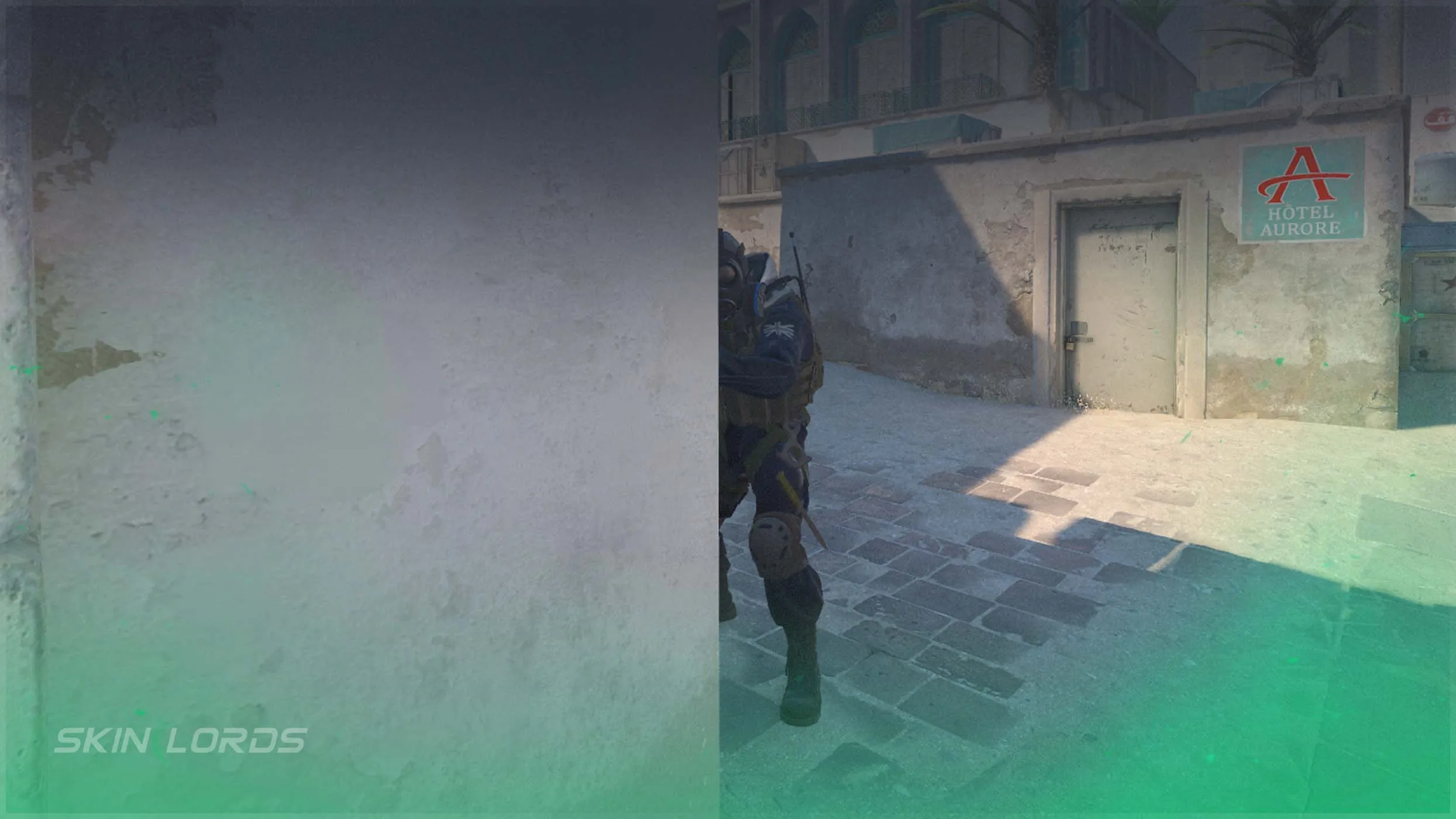
Then you have jiggle peeking. It’s the kind of peek that is used often during a real match to gather info more than create damage right then and there. Its use of the movement keys makes it similar to the act of counter-strafing, but not entirely.
How to Jiggle Peek Correctly in CS2
To jiggle peek correctly, one must first have at least a fundamental grasp of how to counter-strafe. Once that’s done, timing is next on the list of things to practice, as even a short moment of exposure could prove fatal against the wrong opponents.
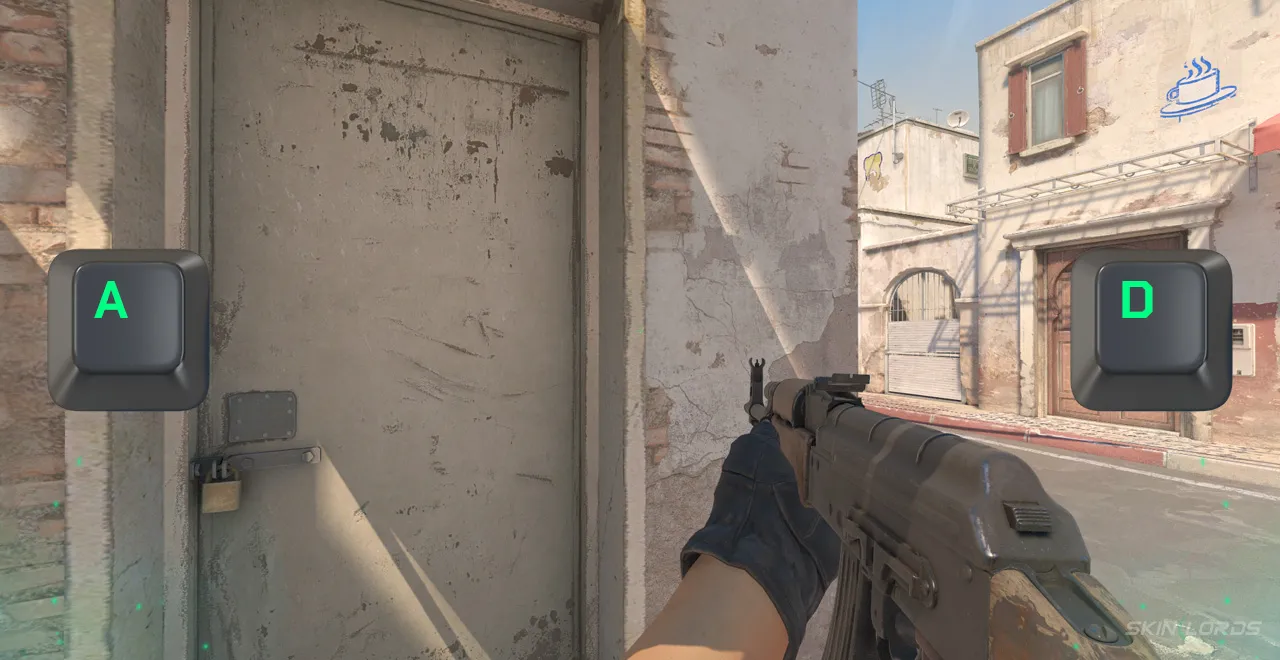
Jiggle peeking is done by quickly tapping the movement keys to go in both sideways directions for just a split second. It’s most effective when holding a position and playing behind cover, since said obstacles will make you harder to hit and lead to an effective bait.
Jiggle Peek for Information
Even good players don’t jiggle peek to explicitly get a kill on their tally, but rather to check out angles without being too exposed or simply bait out a shot and deduce the enemy’s positioning.
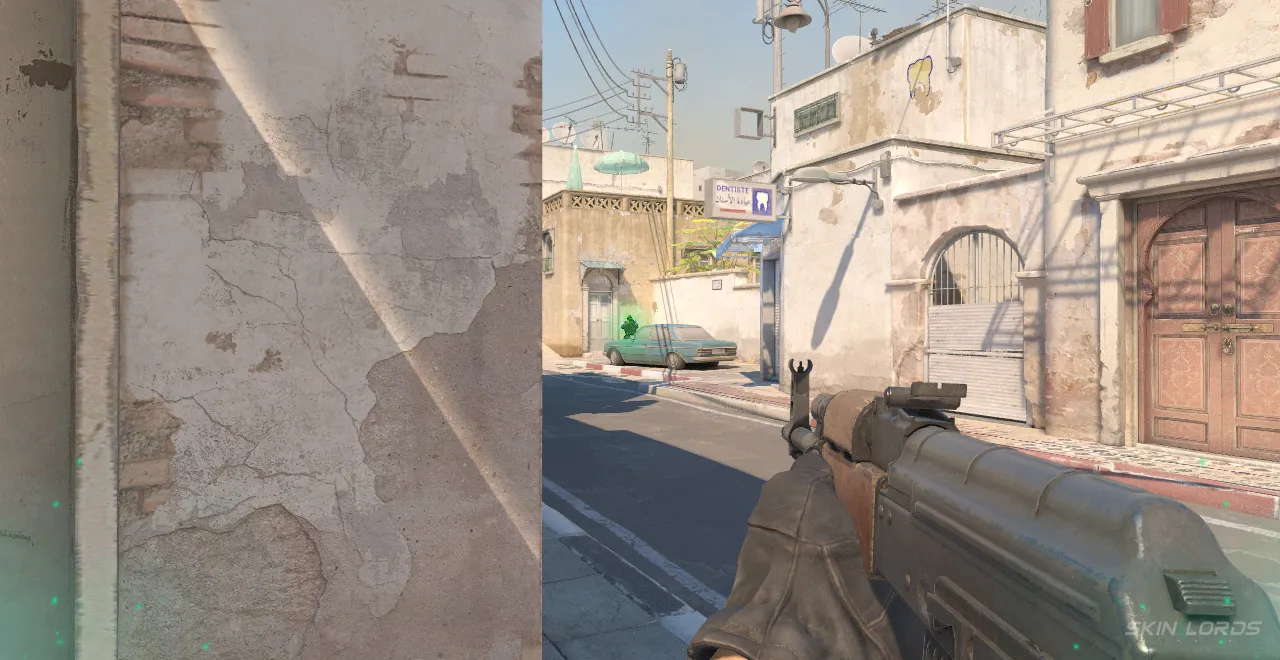
That being said, those who can jiggle peek effectively are able to relay information gathered to their teammates and prepare for the next course of action, making it a sort of delayed type of gratification within a round.
Common Mistakes When Jiggle Peeking
The most common mistake that anyone can make when jiggle peeking is being too consistent in timing. A decent player, especially one holding an AWP, can easily adjust to your movement pattern and react better to your supposed split-second information-gathering technique.
Another mistake is misjudging the amount of cover you have. This is something that’s developed by muscle memory and experience, since no two maps are ever the same; it’s important to know the layouts well enough. Accidentally revealing too much of your player model could easily throw the round away and put your team in a much different situation than they’d anticipated.

Similar Articles
See all
CS2 Guides
Which CS2 Cases Have Bloodhound Gloves?
07.31.2026
0
32
CS2 Guides

Every CS2 Skin With A Blue Gem Pattern
07.31.2026
0
42
Related Casinos

 Stake
Stake
Leave a reply