




























A Comprehensive Guide to CS2 Stats: Stats Trackers, Live Stats, and More
Counter-Strike 2 is a game of statistics. Sure, if you are a casual player or are cruising along in the silver ranks, you can get by without worrying too much about your CS2 stats, but if you truly want to reach the next level of competitive CS2, improve your gameplay, rank up, and truly dominate, you are going to need to start thinking about stats. But what stats are we talking about? And how do you track your CS2 stats? Follow along as we break down everything you need to know about CS2 stats, how to understand them, track them, and use them to improve, gain elo, and climb the CS2 Premier leaderboard.

Check out more CS2 gameplay and settings guides on our blog:
CS2 Stats: The Basics
You can track your stats in CS2 in two main ways: the in-match leaderboard and your match history. Each of these contains vital information about your gameplay.
CS2 Leaderboard Explained
Checking in-game stats using the CS2 leaderboard is vital to keep yourself, and occasionally your teammates, in check. Most players press Tab (or whatever key you have the leaderboard bound to) several times per round to see where they are on the team leaderboard, what their KD is, and which teammates need to “lock in.” The in-game leaderboard contains all of the following stats for every player in the lobby:
-
 Kills
- Deaths
- Assists
- Damage (DMG)
- Money (only teammates)
- MVPs
- Ping/Latency
- Score
- Headshot Percentage (HS%)
- Utility Damage (UD)
- Enemies Flashed (EF)
- Average Damage Per Round (ADR)
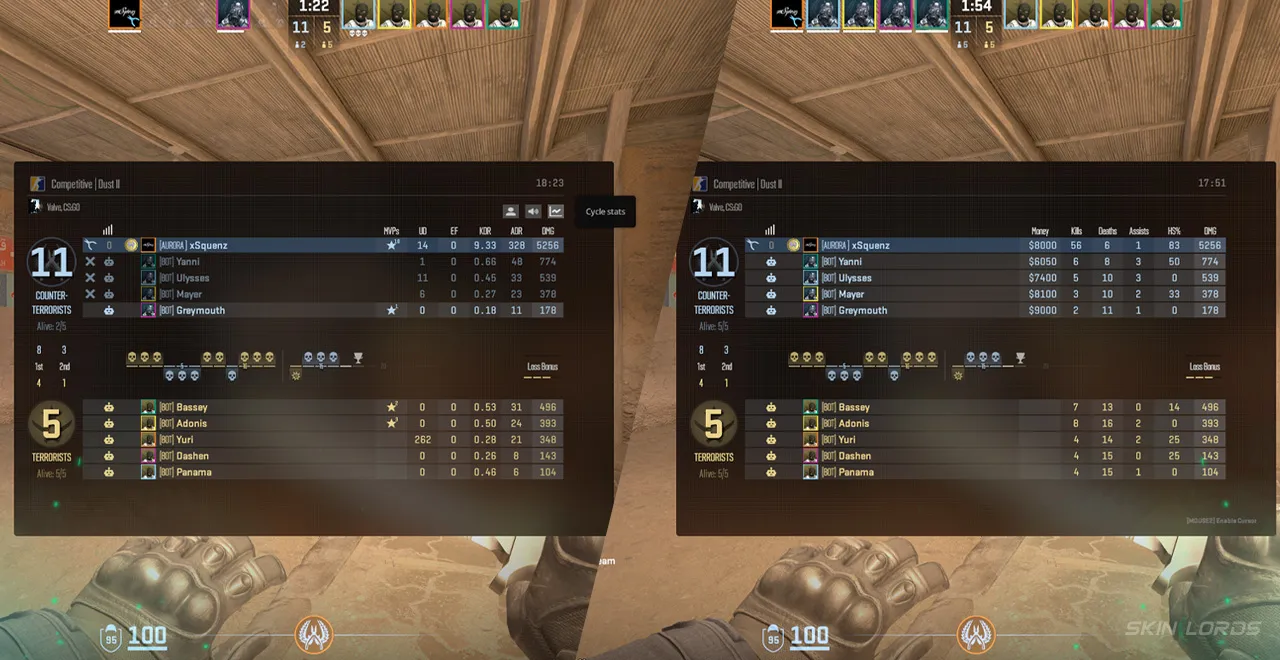
Each statistic tells you important information about each player and their impact on the game. Some, like ADR and Kills, are more important than others, like enemies flashed, but together, they tell the whole picture of how you, your teammates, and your enemies are playing.
CS2 Match History Explained
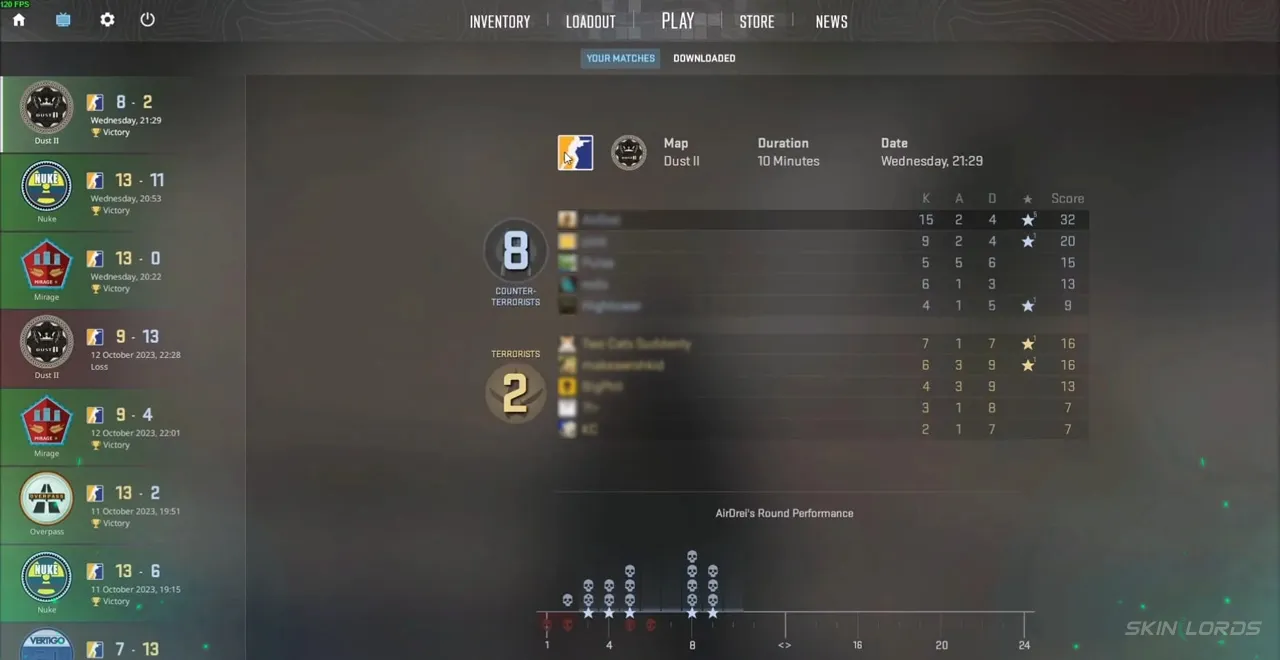
Match history contains less information than the scoreboard, but it tells you more about your gameplay’s trajectory. In your match history, you can see your record over the past few games, your final scoreboard placement, and how you performed round by round. If you are playing with the same group of people for multiple games in a row, you can see which players consistently perform well and which are the weaker links.
Third-Party CS2 Stat Trackers
If you really want to gain valuable insights about your CS2 gameplay and what you need to improve on, you will need to go beyond CS2’s in-game stats. This is where third-party trackers come into play: they scrape your match history and game demos and package every single detail of every second you spend on the game. Here are some of the biggest CS2 stat trackers.

Leetify
Leetify is by far the largest CS2 stat tracking platform, and it’s completely safe and free to use. Users register on the site, enter their Steam account details, add the Leetify bot as a friend on Steam, and the program tracks all of their match data. Leetify data includes a “Leetify rating,” which is an advanced, holistic rating system that grades your performance in-game, basic stats like KDA, ADR, HS%, as well as advanced metrics like KAST, and other metrics that track utility usage, degree of success in trading and opening duels, and performance in clutch situations. It even calculates your HLTV rating just like the pros.
Alongside individual match results, Leetify combines data from all matches and rounds to provide overall stats. This includes win rates on specific maps, personal records for every statistic, performance with certain teammates, overall utility usage, positioning, and aim, and much more. Using this data, you can see where you rank compared to other CS2 players, what rank you are expected to be, and, most importantly, identify strengths and what you need to do to improve. Overall, Leetify is by far one of the best CS2 stats trackers and provides an incredibly detailed analysis of your gameplay, and is definitely worth using if you are focused on improvement.
Tracker.gg
Tracker.gg is one of the largest video game stat trackers, and includes CS2 stats alongside stats for several other games. Tracker’s CS2 stats include win-loss ratios, rank history, career totals and averages across tons of stats, and more. Tracker.gg isn’t quite as comprehensive as Leetify, but it has a significant amount of data, including specific weapon stats, so you can see which weapons you perform best with and which ones you need to work on improving. Tracker also allows you to sort statistics across different game modes and seasons, allowing you to compare. You can also see other players’ statistics on Tracker.gg by searching for their Steam account.
Advanced CS2 Stats and What They Mean
There are too many different CS2 stats to keep track of. Luckily, we’ve defined the most important ones to help you rank up:
ADR: Average damage per round. This may be more important than your K/D ratio. Anything close to 100 is solid; anything over means you are pulling your weight and more. The higher your ADR, the more impact you have on your team.
EF: Enemies flashed. This may seem irrelevant, but being able to throw consistently effective flashes can be a game changer in clearing angles and winning duels.
KAST: KAST stands for Kills, Assists, Survival, Traded. It measures the percentage of rounds where you got a kill, an assist, survived, or had your death traded. In other words, KAST measures your impact. Consistently dying alone after doing little to no damage will lead to a lower KAST. A lower KAST means less impact on the game.
Spotted Accuracy: The percentage of your shots that actually hit your target. This doesn’t count shots where there is no enemy in frame, only when you have actually spotted an enemy.
Time to Damage and Time to Kill: These measure the time between first seeing an enemy and damaging them or eliminating them. This is usually measured in milliseconds, and the lower they are, the better.
Crosshair Placement: This measures the average distance you have to move your crosshair to aim at an opponent. A lower distance means you consistently anticipate enemy locations. Crosshair placement requires game sense and general map knowledge.
Spray Accuracy: How close your recoil compensation was to the weapon’s actual recoil pattern. The higher the percentage, the better your spray control is.
Trade Kill Attempts and Success: The percentage of times you attempt to and successfully trade the death of a teammate. A trade kill opportunity is defined by a moment where a teammate dies close to you, and you have a chance to avenge the death of your teammate. Capitalizing on kill trade opportunities is a key skill for improvement.
Entry Frag/Opening Duel Success: The percentage of times you won the opening duel, meaning you got the first kill of the round. This is often referred to as entry fragging.
Clutch Winrate: The percentage of clutches, defined as moments where you are a lone player against at least two enemies, that you win. Winning clutches more consistently means that even when you are playing from a disadvantage, you dont let the pressure get to you and you can still squeeze out a round win.
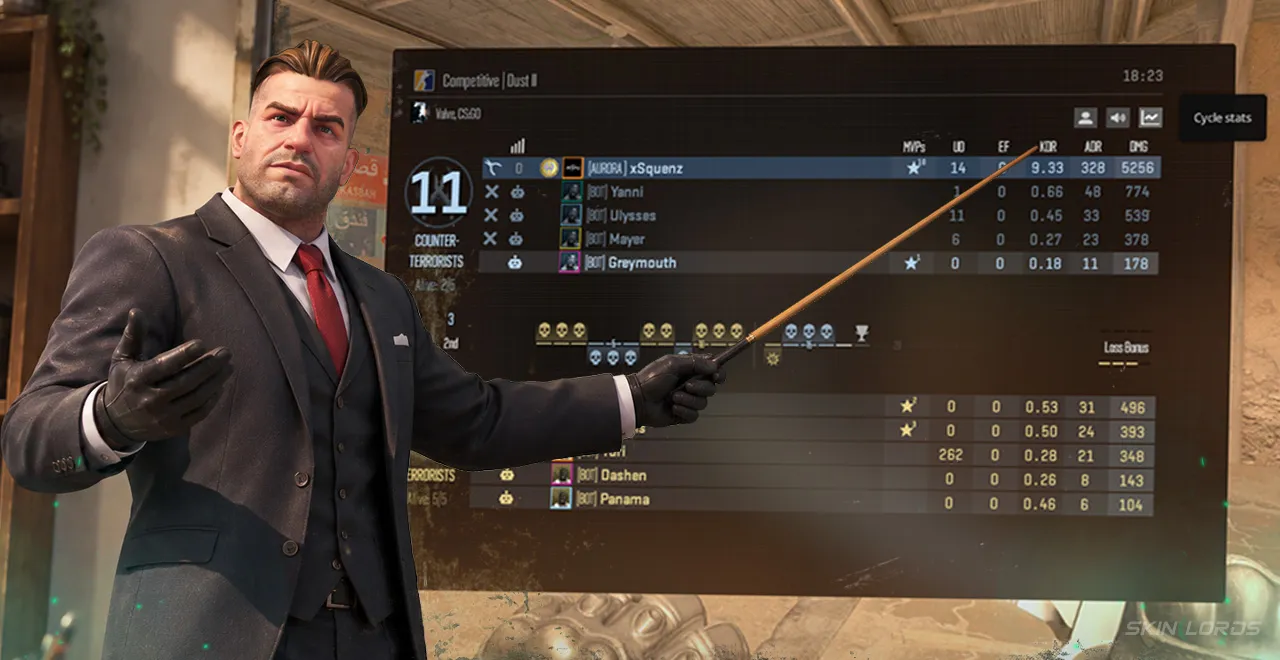
There are a ton more important advanced CS2 stats, but these are some of the most important. Remember, no single stat tells the whole story, so view everything in context and focus on what needs improvement.
Best Sites for Live CS2 Stats
Looking to track pro CS2 stats from live CS2 matches? These are some of the best sites for tracking CS2 match results and live stats:
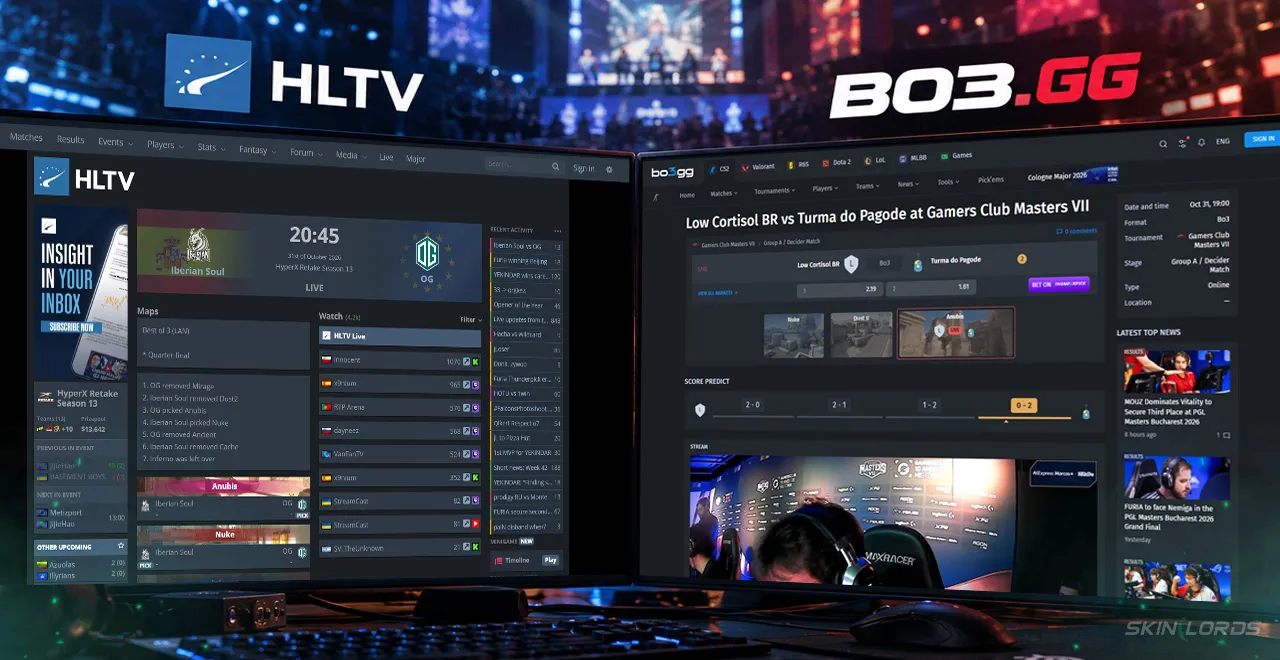
HLTV: The undisputed home of CS2 esports, HLTV.org (Half-Life Television) contains everything going on in the professional CS2 scene. From player and team statistics to match and tournament results, HLTV has everything related to CS2 esports in one place. HLTV even has forums, CS2 fantasy esports leagues, and roster move details. HLTV is an icon of Counter-Strike and is probably the game’s most well-known third-party website.
Bo3.gg: A slightly modernized competitor of HLTV, Bo3.gg offers live stats and details about CS2 matches, tournaments, players, teams, and more. The site also rates and ranks players based on several advanced kill metrics, and users can sort by various filters to see which players are best in certain scenarios. Bo3 also has predictions, Pick’ems, and other features to make CS2 esports more engaging.
There are others, but these two dominate the live CS2 stats market.
Conclusion
That’s it for our comprehensive guide to CS2 statistics. The world of CS2 stats is endless, and we could easily write 10 guides about it, but we hope this guide has at least prepared you to start analyzing statistics and improve your gameplay.




Similar Articles See all
CS2 Guides

CS2 Guides

Related Casinos

 Stake
Leave a reply